DENZAL · After treatment
Why teeth can shift
The periodontal ligament and surrounding tissues adapt after tooth movement. Growth, ageing, soft-tissue forces, occlusion and original tooth positions can all influence long-term stability.

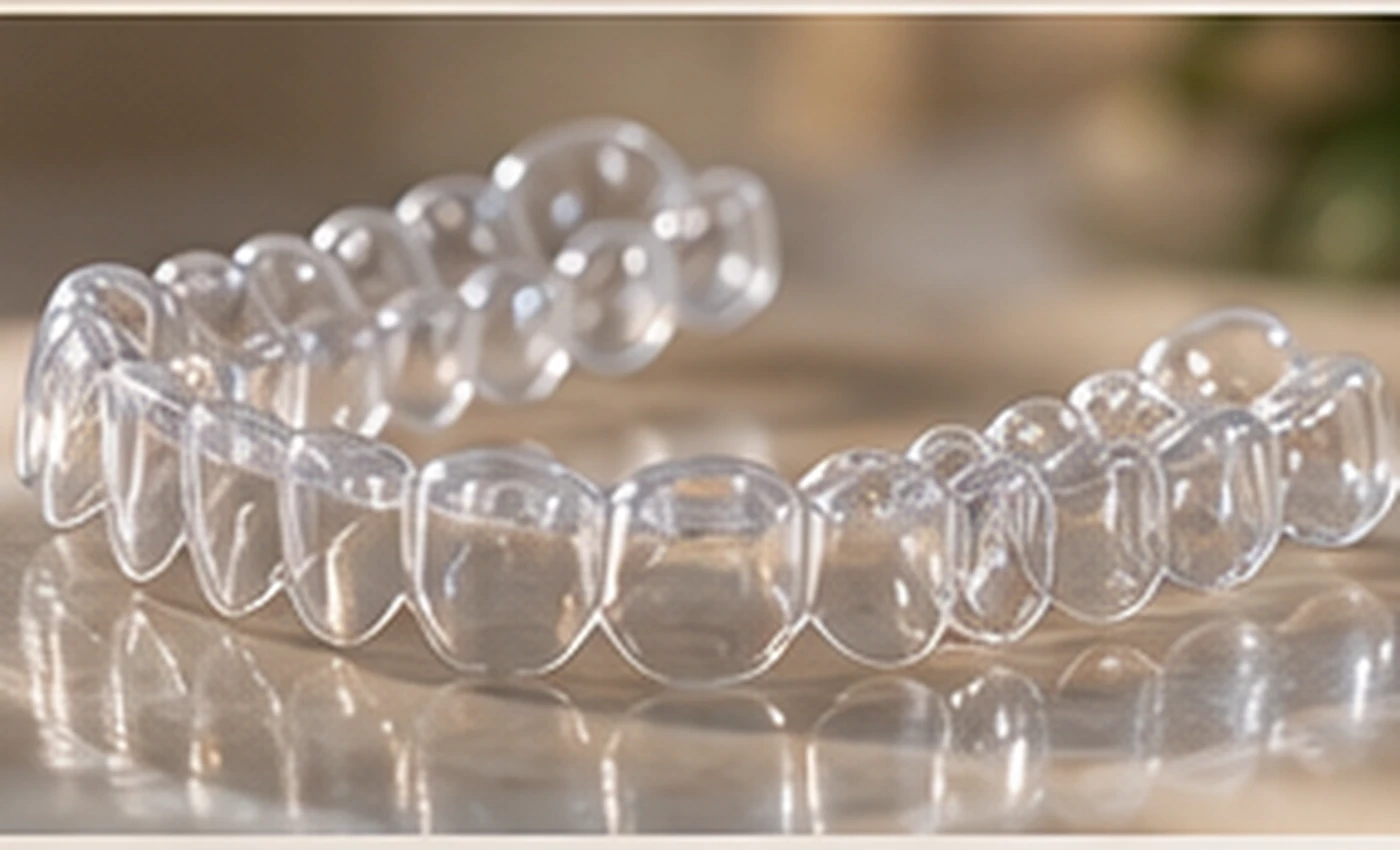
Teeth can move after active orthodontic treatment. Retainers help maintain the achieved tooth positions and form an important part of long-term care.
The periodontal ligament and surrounding tissues adapt after tooth movement. Growth, ageing, soft-tissue forces, occlusion and original tooth positions can all influence long-term stability.
Options may include removable clear or wire retainers and fixed bonded retainers. The choice depends on the case, oral hygiene, risk of relapse and patient needs.
Follow the prescribed wear schedule. Clean removable retainers as instructed and keep them in a case when not in use. Fixed retainers need careful cleaning and monitoring.
Contact the clinic if a retainer breaks, becomes loose, no longer fits or causes irritation. Do not attempt to repair a fixed retainer yourself.
Retention duration varies, and long-term retention is often recommended. Your clinician will advise a suitable plan.
Do not stop without discussing it with your clinician. Teeth can shift even when alignment appears stable.
Contact the clinic promptly. Forcing a retainer that does not fit may cause discomfort or harm.
Contact DENZAL Dental Care for clinic information and appointment enquiries.