
DENZAL DENTAL CARE / JASOLA, NEW DELHI
DENZAL registered Dental Care logo
Orthodontics for children and growing patients

Children’s Orthodontics and Braces in New Delhi

Orthodontic care for children is based on dental development, jaw growth, the bite and the child’s individual needs. An early check-up does not mean that braces must start immediately. Some children benefit from treatment while they are growing; others are best monitored until a later stage, and some may not need orthodontic treatment.

Representative photo of smiling children in a welcoming dental clinicRepresentative imagery · not a DENZAL patient
When should a child have an orthodontic check-up?
Representative educational imagery
DENZAL · Orthodontics for children and growing patients

When should a child have an orthodontic check-up?

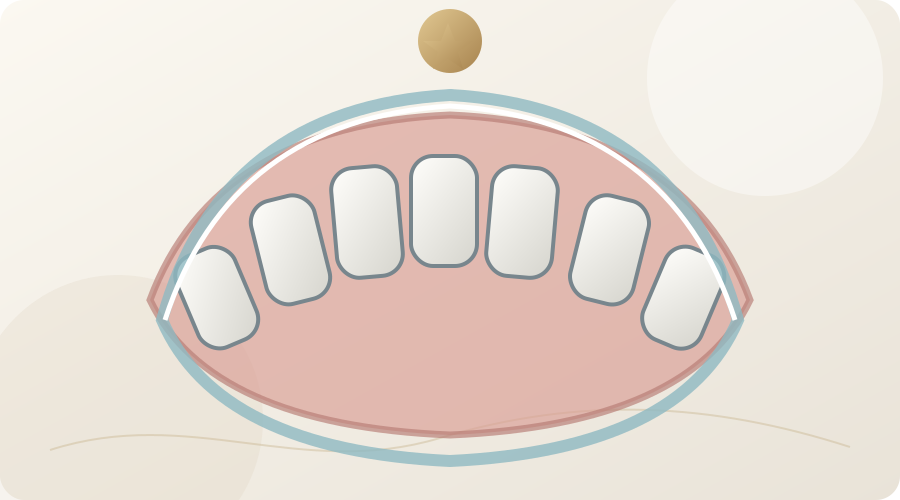
The American Association of Orthodontists recommends an initial orthodontic check-up no later than age 7, or earlier if a concern is noticed. This is an assessment recommendation, not a recommendation to place braces at age 7. At this stage, an orthodontist can evaluate how the permanent teeth, bite and jaws are developing and advise whether to monitor, treat early or reassess later.
What early orthodontic treatment is meant to address
Representative educational imagery
DENZAL · Orthodontics for children and growing patients

What early orthodontic treatment is meant to address

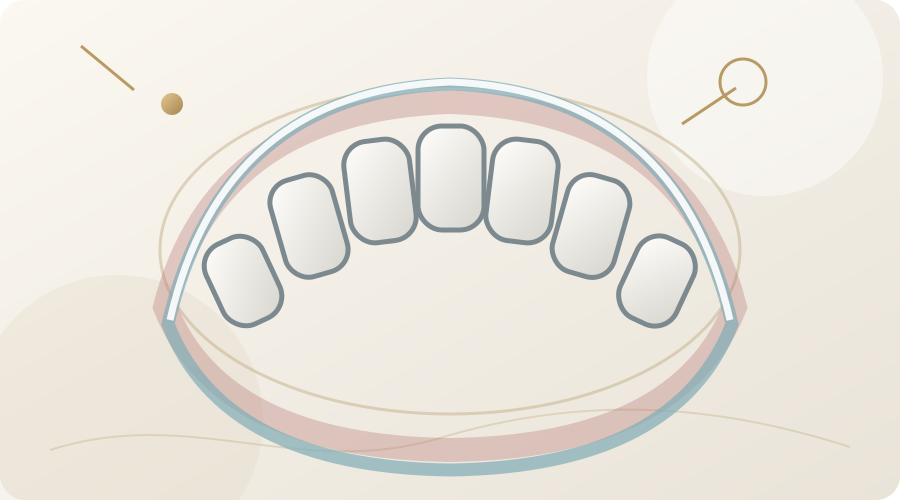
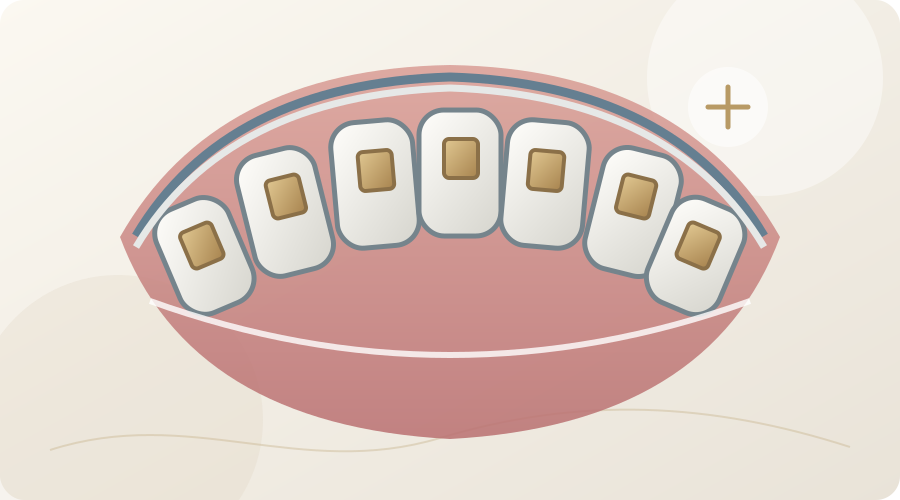
Early or interceptive treatment may be considered for selected developing problems, such as certain crossbites, significant jaw-width discrepancies, harmful functional shifts, pronounced protrusion with trauma risk, or eruption and space problems. The value of early treatment depends on the specific diagnosis. It is not simply an attempt to straighten every baby or permanent tooth as early as possible.

Phase I treatment and later comprehensive treatment
Representative educational imagery
DENZAL · Orthodontics for children and growing patients

Phase I treatment and later comprehensive treatment

When early treatment is indicated, it is often called Phase I or interceptive treatment. It may use a selected removable or fixed appliance to address a particular growth or bite issue. Some children may later need a second, comprehensive phase when more permanent teeth have erupted. Others may need only monitoring or one phase of treatment. This should be explained before treatment begins.

Appliances may differ from one child to another
Representative educational imagery
DENZAL · Orthodontics for children and growing patients

Appliances may differ from one child to another

Depending on the problem, options may include expansion appliances, functional appliances, limited fixed braces, removable appliances or observation. The appliance is chosen to address the diagnosed problem and the child’s stage of development. An appliance suitable for one child may not be useful for another.

How parents and children support treatment
Representative educational imagery
DENZAL · Orthodontics for children and growing patients

How parents and children support treatment

Good brushing, cleaning around appliances, dietary care and attendance at review visits are essential. Parents may need to supervise appliance wear and hygiene. Removable appliances only work when worn as prescribed, and fixed appliances can be damaged by hard or sticky foods. The child’s comfort, motivation and ability to cooperate are part of treatment planning.

Risks, limitations and what happens after early treatment
Representative educational imagery
DENZAL · Orthodontics for children and growing patients

Risks, limitations and what happens after early treatment

Possible risks include discomfort, soft-tissue irritation, enamel decalcification or caries with poor hygiene, gingival inflammation, unwanted tooth movement, root resorption and relapse. Early treatment does not remove the need to monitor growth and eruption, and it does not guarantee that later braces will not be required. Retention or a further phase may be recommended.

Frequently asked questions

Does every child need braces at age 7?

No. Age 7 is a recommended time for an initial orthodontic check-up, not an automatic treatment age. Many children are monitored until the appropriate time, and some do not need treatment.

Should we wait until all baby teeth have fallen out?

Not necessarily. Some developing problems are best assessed before all permanent teeth erupt. The timing of treatment depends on the diagnosis and stage of development.

What is Phase I orthodontic treatment?

It is early treatment during growth, while some baby teeth may still be present, to address a particular developing dental or jaw problem when clinically beneficial.

Will my child need braces again later?

Some children require a later comprehensive phase; others do not. This depends on the original problem, growth, eruption and response to early treatment.

Are clear aligners suitable for children?

Suitability depends on age, dentition, the movements required, ability to wear aligners consistently and clinician assessment. Fixed or other appliances may be more appropriate.

DENZAL · Patient information

Explore related treatment topics

DENZAL ·

Braces and fixed appliances

Read about metal and ceramic fixed orthodontic treatment.

Explore page →
DENZAL ·

Adult orthodontics

Explore orthodontic treatment for adult patients.

Explore page →
DENZAL ·

Orthodontics overview

Understand diagnosis, bite assessment and treatment choices.

Explore page →

Questions about this treatment?

Contact DENZAL Dental Care for clinic information and appointment enquiries.

Contact the clinic →
Call clinicWhatsApp